
Discover Sigiriya: the family guide to Sri Lanka's Lion Rock
April 2, 2025
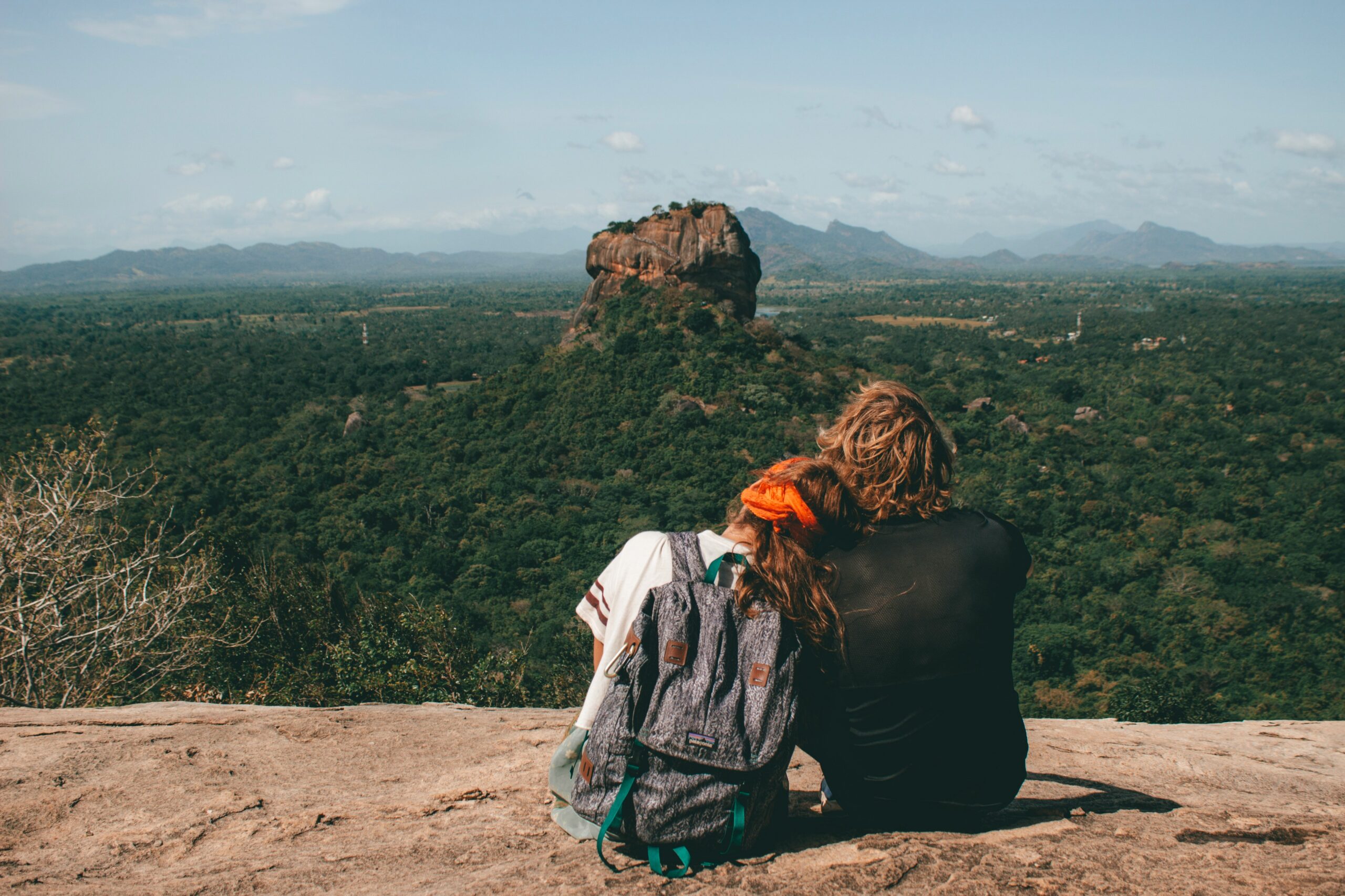
Located in Sri Lanka's scenic Central Province, Sigiriya, or Lion Rock, is a towering fortress that rises nearly 200 metres above the surrounding plains. Known for its views over the plains, ancient frescoes and gardens, Sigiriya is a UNESCO World Heritage site and a family-friendly destination that combines history, adventure and natural beauty.
A fortress built on legend
The story of Sigiriya begins in the 5th century AD, when King Kashyapa I turned this rock formation into his royal stronghold. The fortress was constructed as a symbol of power, with towering walls and gardens. Families can explore the well-preserved ruins, learn about the ancient Sinhalese kingdom, and discover how Sigiriya became known as the 8th Wonder of the World.
The Lion Gate, Mirror Wall and summit palace
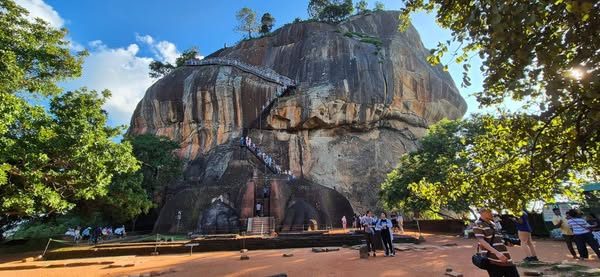
A visit would not be complete without passing through the Lion Gate. Though only its massive lion paws remain, the gate was originally crafted with a lion's head and shoulders to symbolize strength and courage.
Halfway up the rock is the famous Mirror Wall, polished so well that ancient visitors used it as a mirror. You can still see 7th-century poetry and inscriptions on it, and nearby frescoes of celestial maidens, called apsaras, give a glimpse into Sri Lankan art and mythology.
At the summit lies the palace complex, with ruins of bathing pools and a throne. The water management systems, designed to collect and store rainwater, are an engineering marvel even today, and the summit's panoramic views are the reward after climbing 1,200 steps.
Gardens, myths and history
Sigiriya is also an ancient masterpiece of landscape design. The water gardens with their pools and fountains, still functional during the rainy season, the boulder gardens and the terraced gardens show the advanced techniques that made Sigiriya self-sustaining.
The site is wrapped in mythology: some locals connect it to the epic Ramayana, while others see the fortress as a cosmic mandala. After a dramatic battle in 495 AD, Kashyapa's reign ended and Sigiriya became a Buddhist monastery, preserving its legacy until the 14th century. It was rediscovered in the 19th century by British archaeologists and has been protected as a UNESCO site since 1982.
Before you visit
November to March offers the best weather for climbing. Sigiriya is easily reached from Dambulla and Kandy by private car, tuk-tuk or guided tour. Bring comfortable walking shoes, water, sun protection and a camera. Nearby, Pidurangala Rock offers a quieter climb, and the Dambulla Cave Temple and Minneriya National Park safaris round out a family day.
Sigiriya is a stop on our 15-day Sri Lanka tour with Apical Lanka Travel. See the full itinerary on the Sri Lanka tour page or contact the tour desk to plan a visit.